
Embark on a journey into the world of home automation alarm systems for smart living, where security and convenience intertwine to create a seamless living experience. As we delve deeper into the realm of technology and innovation, discover how these systems play a crucial role in safeguarding your home and simplifying your daily routines.
In this guide, we will explore the various types of home automation alarm systems, their key components, integration with smart home devices, installation processes, remote monitoring capabilities, customization options, and maintenance tips to ensure optimal functionality.
Introduction to Home Automation Alarm Systems
Home automation alarm systems are advanced security systems that can be integrated into smart homes to provide enhanced safety and convenience. These systems utilize a combination of sensors, cameras, and smart technology to monitor and protect your home from potential threats.
In the context of smart living, home automation alarm systems play a crucial role in ensuring the security and well-being of residents. By automating the process of monitoring and responding to security breaches, these systems offer peace of mind and convenience to homeowners.
Enhanced Security
- Home automation alarm systems can detect intruders, fires, and other emergencies, immediately alerting homeowners and authorities.
- Integration with smart devices allows for remote monitoring and control of the security system, providing real-time updates and notifications.
- Features such as video surveillance and motion detection help in identifying and responding to security incidents effectively.
Improved Convenience
- Automation of security tasks eliminates the need for manual intervention, making it easier for homeowners to manage their security systems.
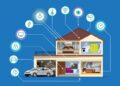
- Integration with other smart devices allows for seamless control of multiple functions within the home, such as lighting, heating, and door locks.
- Customizable settings enable homeowners to tailor the security system to their specific needs and preferences, enhancing convenience and user experience.
Types of Home Automation Alarm Systems
When it comes to home automation alarm systems, there are different types available to suit various needs and preferences. These systems can be categorized based on their connectivity and installation methods, with wired and wireless options being the most common choices.
Wired Home Automation Alarm Systems
Wired alarm systems are hardwired into your home's electrical system, providing a reliable and stable connection. These systems are typically more secure and less susceptible to interference compared to wireless systems. However, installation can be complex and may require professional help.
Wired systems are best suited for homeowners looking for a permanent and robust security solution.
Wireless Home Automation Alarm Systems
Wireless alarm systems operate using radio frequency signals to communicate between the various components. They are easier to install and can be more flexible in terms of placement. These systems are ideal for renters or those looking for a DIY option.
While wireless systems may be more convenient, they can be vulnerable to signal interference or hacking.
Key Components of Home Automation Alarm Systems
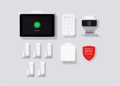
The effectiveness of a home automation alarm system lies in its key components, each serving a crucial role in ensuring the security and safety of your home.
Control Panels
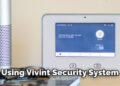
The control panel acts as the brain of the system, allowing you to arm/disarm the alarm, set up alerts, and monitor the status of sensors. It is the central hub that communicates with all other components to ensure seamless operation.
Sensors
Sensors are placed strategically around the house to detect any unauthorized entry or unusual activity. These can include door/window sensors, motion sensors, glass break sensors, and more. When triggered, they send signals to the control panel to activate the alarm.
Cameras
Cameras play a vital role in providing visual verification of any security threats. They can be indoor or outdoor cameras, offering live feeds and recordings that can be accessed remotely through a smartphone or computer. Cameras provide an extra layer of security and help in identifying potential intruders.
Smart Devices
Smart devices like smart locks, smart lights, and smart thermostats can be integrated into the alarm system to enhance security and automation. For example, smart locks can be remotely controlled to lock/unlock doors, while smart lights can be programmed to turn on/off at specific times to give the illusion of occupancy.
Integration with Smart Home Devices
Home automation alarm systems have the capability to integrate seamlessly with other smart home devices, enhancing the overall functionality and convenience of the system. This integration allows for a connected ecosystem within a smart home setup, providing a more comprehensive and efficient way to manage your home security.
Voice Assistants
Voice assistants such as Amazon Alexa or Google Assistant can be integrated with home automation alarm systems to provide hands-free control and monitoring. Users can arm or disarm the alarm system, check the status of sensors, or receive real-time alerts simply by using voice commands.
Lighting
Home automation alarm systems can work in tandem with smart lighting systems to enhance home security. For example, when the alarm is triggered, the lights can automatically turn on both inside and outside the house to deter potential intruders. This integration not only improves security but also adds convenience by allowing users to control their lights remotely.
Thermostats
Integrating home automation alarm systems with smart thermostats can help improve energy efficiency and save on utility bills. When the alarm system detects that no one is home, it can communicate with the thermostat to adjust the temperature settings accordingly, ensuring that energy is not wasted heating or cooling an empty house.
Installation and Setup Process
When it comes to installing and setting up a home automation alarm system, there are a few key steps to keep in mind to ensure a smooth process.
Whether you choose to do it yourself or hire professional installation services, it's important to understand the requirements and potential challenges that may arise during the setup.
DIY Installation vs. Professional Installation
- DIY Installation:
- Pros: Cost-effective, allows for customization, and can be done at your own pace.
- Cons: Requires technical knowledge, may take longer to set up, and potential for errors if not done correctly.
- Professional Installation:
- Pros: Expert installation, quicker setup time, and professional guidance on system usage.
- Cons: Higher cost, less flexibility for customization, and scheduling appointments for installation.
Common Challenges and Troubleshooting
- Connection Issues:
- Ensure all devices are properly connected to the central hub.
- Check for any Wi-Fi signal interference that may affect connectivity.
- False Alarms:
- Adjust motion sensors to avoid triggering false alarms.
- Regularly check and replace batteries in sensors to prevent malfunctions.
- Compatibility Problems:
- Ensure all smart devices are compatible with the alarm system.
- Update firmware or software to resolve any compatibility issues.
Remote Monitoring and Control
Remote monitoring and control in home automation alarm systems refer to the ability to access and manage your security system from anywhere using a mobile device or computer. This feature allows homeowners to check the status of their alarms, receive real-time notifications, and even arm or disarm the system remotely.
Advantages of Remote Monitoring and Control
- Enhanced Security: Homeowners can monitor their property even when they are away, providing peace of mind and increased security.
- Convenience: Remote access allows users to control their alarm systems without physically being present at home, making it convenient for busy individuals.
- Quick Response: In case of emergencies or false alarms, remote monitoring enables homeowners to respond promptly by checking the situation remotely.
- Customization: Users can customize their security settings, receive alerts, and adjust system settings remotely based on their preferences.
Examples of Situations Where Remote Access is Beneficial
- Monitoring Pets: Homeowners can check on their pets through security cameras and ensure their safety and well-being while they are away.
- Checking on Children: Parents can monitor their children arriving home from school or see if they are safe inside the house.
- Remote Guest Access: Homeowners can grant access to guests or service providers remotely without the need for physical keys.
- Vacation Monitoring: Individuals can keep an eye on their property while on vacation, deterring potential intruders and ensuring everything is secure.
Customization and Personalization Options
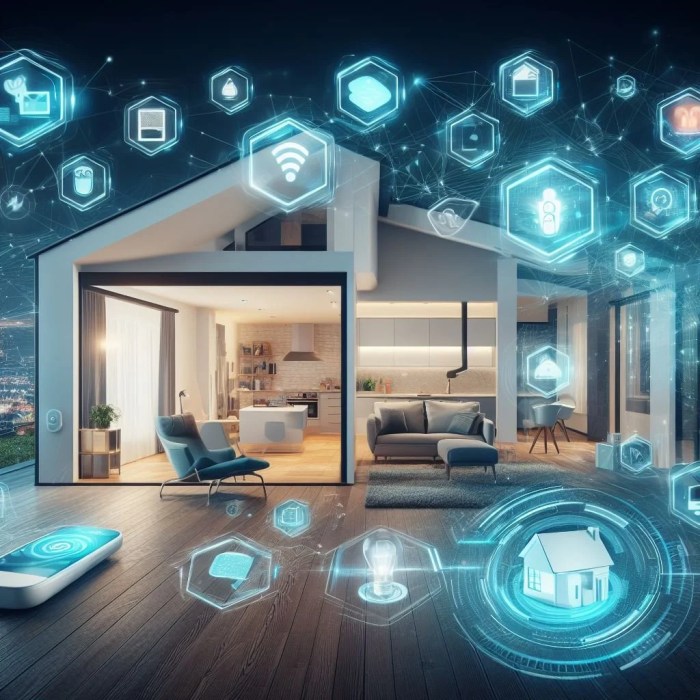
When it comes to home automation alarm systems, users have a range of customization and personalization options to tailor their security setup to meet their specific needs and preferences.
Setting Up Alerts and Notifications
- Users can set up alerts to be notified of any unusual activity or security breaches in real-time.
- Notifications can be personalized to be sent via email, SMS, or push notifications to mobile devices.
- Alarm triggers can be customized to activate based on specific events, such as motion detection or door/window sensors being triggered.
Personalizing System Settings
- Users can personalize their system settings by adjusting sensitivity levels of sensors and cameras.
- Customize arming and disarming schedules to align with daily routines and preferences.
- Personalize emergency contacts for alerts and notifications in case of security incidents.
Advanced Customization Features
- Explore advanced customization features that cater to specific security needs, such as setting up geofencing to automatically arm or disarm the system based on the user's location.
- Customize notification preferences for different users in a household, allowing each individual to receive relevant alerts.
- Integrate with other smart home devices to create customized automation routines, such as turning on lights when an alarm is triggered.
Maintenance and Upkeep of Home Automation Alarm Systems
Regular maintenance and upkeep of home automation alarm systems are essential to ensure optimal functionality and reliability. By following a maintenance checklist and addressing common issues promptly, you can keep your system running smoothly.
Importance of Regular Updates and Battery Replacements
Regular updates for both the alarm system software and any connected smart devices are crucial to patch security vulnerabilities and ensure compatibility with the latest features. Similarly, replacing the batteries in sensors and control panels is essential to prevent system failures during power outages or emergencies.
- Check for software updates on a regular basis and install them promptly to keep your system secure and up-to-date.
- Replace batteries in sensors and control panels according to the manufacturer's recommendations to avoid any disruptions in functionality.
- Consider using rechargeable batteries or battery backup systems for added convenience and reliability.
Tips for Troubleshooting Common Issues
Despite regular maintenance, home automation alarm systems may encounter issues that require troubleshooting. Knowing how to address common problems can help you quickly resolve issues and minimize downtime.
- Verify power sources and connections to ensure all components are receiving power.
- Check sensor placement and alignment to avoid false alarms or missed triggers.
- Test system functionality regularly by arming and disarming the alarm to identify any issues early on.
- Consult the user manual or contact customer support for guidance on specific troubleshooting steps for your system.
Summary
In conclusion, Best Home Automation Alarm Systems for Smart Living offer a blend of security, convenience, and technological advancement that transforms the way we interact with our living spaces. By embracing these innovative solutions, homeowners can elevate their lifestyle and enjoy peace of mind knowing their homes are protected and efficiently managed.
Query Resolution
How do home automation alarm systems enhance security?
These systems provide real-time monitoring, instant alerts in case of any security breaches, and seamless integration with other smart devices for comprehensive protection.
What are the benefits of remote monitoring and control?
Remote access allows homeowners to check on their homes from anywhere, control settings, and receive notifications, ensuring peace of mind even when away.
How can users customize their home automation alarm systems?
Users can set up personalized alerts, notifications, and triggers based on their preferences, along with exploring advanced customization features to meet specific security needs.
What maintenance tasks are essential for the upkeep of these systems?
Regular updates, battery replacements, and following a maintenance checklist are crucial to ensure the optimal functioning of home automation alarm systems.