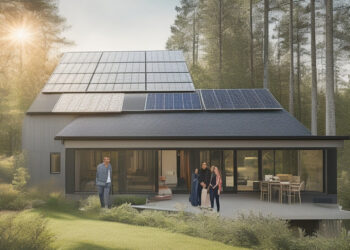

Exploring the intersection of technology and real estate, this discussion delves into how connected homes are reshaping property values and the homebuying experience. From smart home features to sustainable technologies, discover how these advancements are not just enhancing comfort but also increasing the value of homes.
How Connectivity Enhances Home Value
Connected homes are becoming increasingly popular in the real estate market due to their ability to enhance home value. The integration of smart technologies not only improves the quality of life for homeowners but also boosts the overall appeal and desirability of a property.
Smart Home Features for Home Appreciation
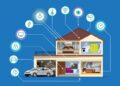
Smart home features play a significant role in driving up property value. Some key features include:
- Smart thermostats: These devices help regulate the temperature in a home efficiently, leading to lower energy bills and increased comfort.
- Security systems: Smart security cameras, doorbell cameras, and sensors provide homeowners with peace of mind and enhance the safety of the property.
- Automated lighting: Lighting systems that can be controlled remotely or scheduled to turn on/off automatically not only improve energy efficiency but also add convenience for homeowners.
Impact of Energy-Efficient Devices on Home Value
Energy-efficient devices are highly attractive to homebuyers as they contribute to cost savings and environmental sustainability. Examples of energy-efficient smart technologies that can impact home value include:
- Solar panels: Installing solar panels can significantly reduce electricity costs and increase the overall value of a property.
- Smart appliances: Energy-efficient appliances such as refrigerators, washing machines, and dishwashers are not only environmentally friendly but also appealing to potential buyers looking for modern conveniences.
Most Appealing Smart Technologies for Homebuyers
When it comes to smart technologies, certain features are particularly appealing to homebuyers, such as:
- Voice-controlled assistants: Devices like Amazon Alexa or Google Home that allow users to control various functions in the home through voice commands.
- Smart irrigation systems: Automated watering systems that adjust based on weather conditions, helping homeowners save water and maintain a lush landscape.
Smart Home Automation Systems

Smart home automation systems offer a wide range of benefits for homeowners, from increased convenience to enhanced security. By integrating technology into various aspects of the home, these systems can streamline daily tasks and provide peace of mind.
Comparison of Different Automation Systems
- Amazon Alexa: Known for its voice control capabilities, Alexa can manage smart devices, play music, and provide information through simple commands.
- Google Home: Similar to Alexa, Google Home allows users to control smart devices, access information, and manage schedules using voice commands.
- Apple HomeKit: Designed for Apple users, HomeKit offers a secure platform for controlling smart devices, creating scenes, and automating tasks using Siri.
Convenience and Security Improvement
Smart home automation systems can improve convenience by allowing homeowners to control various devices remotely. For example, lights, thermostats, and security cameras can be easily managed through a smartphone app, providing flexibility and ease of use. Additionally, these systems enhance security by offering features such as remote monitoring, motion detection, and real-time alerts in case of suspicious activity.
Cost Savings Associated with Smart Home Automation
- Energy Efficiency: Automation systems can optimize energy usage by adjusting settings based on occupancy and preferences, leading to lower utility bills over time.
- Insurance Discounts: Some insurance companies offer discounts to homeowners who install smart security systems, reducing the overall cost of coverage.
- Remote Monitoring: By remotely monitoring the home's systems, homeowners can identify issues early and prevent costly repairs or damages.
Internet of Things (IoT) Devices in Homes
The Internet of Things (IoT) refers to a network of interconnected devices that can communicate and share data with each other over the internet. In the context of smart homes, IoT devices play a crucial role in enhancing connectivity and automation.
Examples of IoT Devices in Smart Homes
- Smart Thermostats: Devices that can adjust the temperature of a home based on user preferences and behavior patterns.
- Smart Lighting Systems: Lights that can be controlled remotely or automatically adjust brightness based on natural light levels.
- Smart Security Cameras: Cameras that provide real-time monitoring and alerts for enhanced home security.
- Smart Appliances: Refrigerators, ovens, and other appliances that can be controlled and monitored through a smartphone app.
Value Addition through IoT Devices
IoT devices can add value to a property by increasing convenience, energy efficiency, and security. Smart homes equipped with IoT devices are often more attractive to buyers looking for modern and connected living spaces.
Security Considerations for IoT Devices
- Secure Network: Ensure that your home network is secure with strong passwords and encryption to prevent unauthorized access to IoT devices.
- Regular Updates: Keep IoT devices updated with the latest firmware to patch any security vulnerabilities that may be exploited by hackers.
- Privacy Settings: Review and configure privacy settings on IoT devices to limit the data they collect and share to protect your personal information.
- Multi-factor Authentication: Enable multi-factor authentication where possible to add an extra layer of security for accessing IoT devices and apps.
Integrating Sustainable Features in Connected Homes
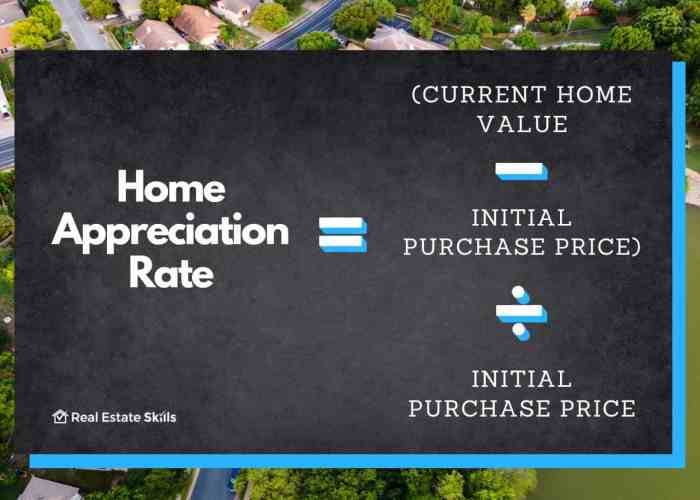
As the push for sustainability and eco-conscious living grows, integrating sustainable features in connected homes has become a key consideration for homeowners looking to increase their property value while reducing their environmental impact.
Impact of Solar Panels on Home Value
One of the most impactful sustainable features in connected homes is the installation of solar panels. Homes equipped with solar panels not only benefit from reduced energy costs but also see a significant increase in property value. Studies have shown that homes with solar panels sell for a premium compared to those without, making it a worthwhile investment for homeowners looking to enhance their home's value.
Eco-Friendly Smart Home Technologies
The trend of incorporating eco-friendly smart home technologies is on the rise, with homeowners opting for energy-efficient appliances, smart thermostats, and lighting systems that help reduce energy consumption. These technologies not only contribute to a greener lifestyle but also add to the overall appeal and value of a connected home.
Long-Term Benefits of Sustainability in Connected Homes
By incorporating sustainable features in connected homes, homeowners can enjoy long-term benefits such as lower utility bills, increased energy efficiency, and a reduced carbon footprint. These features not only enhance the quality of living but also ensure that the property remains attractive to potential buyers in the future.
Examples of Sustainable Features for Property Appreciation
- Energy-efficient windows and insulation to reduce heating and cooling costs.
- Water-saving fixtures like low-flow toilets and faucets to conserve water usage.
- Smart irrigation systems that adjust watering schedules based on weather conditions to minimize water waste.
- Bamboo or reclaimed wood flooring for a sustainable and stylish touch.
Final Summary
As we conclude our exploration of connected homes and home value appreciation, it becomes evident that the future of real estate lies in embracing innovative technologies that not only make our lives easier but also enrich the value of our properties.
The journey towards smarter, more sustainable homes is a promising one, offering both modern conveniences and long-term benefits for homeowners.
Clarifying Questions
How do connected homes impact property value?
Connected homes increase property value by offering modern amenities and energy-efficient solutions that attract buyers willing to pay a premium for such features.
What are some examples of popular smart home technologies?
Popular smart home technologies include smart thermostats, security cameras, lighting systems, and automated door locks, which enhance convenience and security in homes.
How do sustainable features like solar panels affect home value?
Sustainable features like solar panels increase home value by reducing energy costs for homeowners and showcasing a commitment to environmental responsibility, making the property more attractive to eco-conscious buyers.
What security considerations should be kept in mind when using IoT devices in a home?
When using IoT devices in a home, ensure that they are secure and protected from cyber threats by using strong passwords, updating firmware regularly, and monitoring network activity to prevent unauthorized access.