
Exploring the realm of Connected Homes and the impact of Smart Technology on our daily lives, this introduction sets the stage for an enlightening journey.
Providing insights into the key components of connected homes and the benefits they bring, this discussion promises to be both informative and engaging.
Overview of Connected Homes
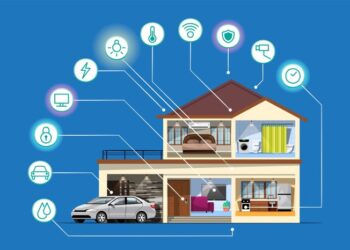
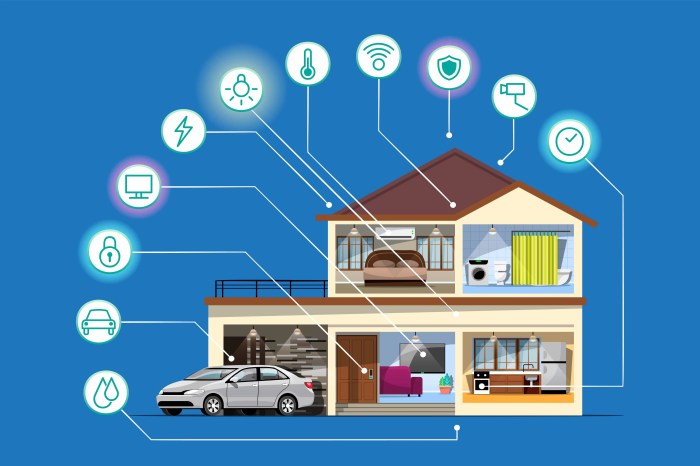
Connected homes, also known as smart homes, refer to residences equipped with devices and systems that can be controlled remotely or automate tasks for increased comfort, convenience, efficiency, and security. Smart technology is revolutionizing daily living by interconnecting various aspects of home management through the Internet of Things (IoT).
Key Components of a Connected Home Setup:
- Sensor Technology: Devices that detect changes in the environment, such as motion sensors, temperature sensors, and light sensors.
- Smart Appliances: Household appliances like refrigerators, thermostats, and lighting systems that can be controlled remotely or programmed to operate automatically.
- Voice Assistants: Virtual assistants like Amazon Alexa or Google Assistant that enable voice commands to control smart devices and provide information.
- Security Systems: Cameras, door locks, and alarms that can be monitored and managed from a mobile device for enhanced safety.
Benefits of Having a Connected Home System:
- Convenience: Remote access and automation of tasks offer convenience and ease of managing household activities.
- Energy Efficiency: Smart devices can optimize energy consumption, reducing utility bills and promoting sustainability.
- Safety and Security: Enhanced monitoring capabilities and remote control of security systems increase home safety and peace of mind.
- Customization: Personalized settings and preferences can be tailored to individual needs for a more comfortable living environment.
Smart Devices in Connected Homes
Smart devices play a significant role in modern connected homes, offering convenience and efficiency in daily routines. These devices are designed to make our lives easier and more comfortable, allowing us to control various aspects of our homes with just a tap on our smartphones or through voice commands.
Popular Smart Devices in Connected Homes
- Smart Thermostats: Devices like Nest Thermostat or Ecobee allow users to control the temperature of their homes remotely, saving energy and money.
- Smart Lighting: Brands like Philips Hue or LIFX offer smart bulbs that can be dimmed, change colors, or set schedules, enhancing ambiance and energy efficiency.
- Smart Security Cameras: Companies like Ring or Arlo provide smart cameras that offer live streaming, motion detection, and two-way audio, ensuring home security even when away.
Enhanced Convenience and Efficiency
Smart devices in connected homes offer a range of benefits, such as:
- Remote Access: Control devices from anywhere using a smartphone or voice assistant, providing convenience and peace of mind.
- Automation: Set schedules or routines for devices to operate automatically, saving time and effort in daily tasks.
- Energy Savings: Monitor and adjust energy usage, leading to cost savings and environmental benefits.
Comparison of Different Brands and Models
When choosing smart devices for your connected home, factors to consider include:
- Compatibility: Ensure devices work seamlessly with your existing smart home ecosystem.
- Features: Compare functionalities like voice control, sensors, and integration with other devices.
- Price: Evaluate the cost of devices and ongoing subscriptions for premium features or cloud storage.
Integration and Compatibility
In a connected home, the ability of devices to communicate with each other is crucial for a seamless and efficient user experience. Integration and compatibility are key factors that determine the success of a smart home setup.
Interconnected Devices
Smart devices such as smart lights, thermostats, security cameras, and voice assistants can be integrated to work together harmoniously. For example, you can set up routines where your lights automatically turn off when you arm your security system, or adjust the temperature when you leave the house.
- Smart Locks and Security Cameras: Integrating these devices allows you to see who is at your door and remotely unlock it if needed.
- Voice Assistants and Smart Appliances: You can control your kitchen appliances with voice commands using devices like Amazon Alexa or Google Assistant.
- Thermostats and Motion Sensors: By integrating these devices, your thermostat can adjust the temperature based on occupancy detected by motion sensors.
Challenges of Compatibility
One of the challenges in a connected home is ensuring that all smart devices are compatible with each other. Different brands may use different communication protocols or standards, making it difficult to connect devices seamlessly.
- Compatibility Issues: Some smart devices may not work together if they are not designed to communicate with each other, leading to a fragmented user experience.
- Hub Dependence: Some devices require a central hub to act as a mediator for communication, which can add complexity and potential points of failure to the system.
- Updates and Support: Compatibility can also be affected by software updates and discontinued support for older devices, making them incompatible with newer models.
Security and Privacy Concerns
In the realm of connected homes and smart technology, security and privacy concerns are paramount. As our homes become more interconnected, it opens up a whole new set of vulnerabilities that can be exploited by malicious actors.
Common Security Risks
- Weak Network Security: Inadequate password protection or outdated encryption protocols can make it easy for hackers to infiltrate your network.
- Device Vulnerabilities: Smart devices often have security flaws that can be exploited to gain unauthorized access to your home network.
- Data Breaches: Personal information collected by smart devices can be vulnerable to data breaches, putting your privacy at risk.
Best Practices for Securing Your Connected Home Network
- Secure Your Wi-Fi Network: Use a strong password, enable network encryption, and change default settings to prevent unauthorized access.
- Update Firmware Regularly: Keep your smart devices up to date with the latest security patches to protect against known vulnerabilities.
- Implement Two-Factor Authentication: Add an extra layer of security by requiring a second form of verification to access your devices or network.
Importance of Safeguarding Personal Data and Privacy
Protecting your personal data and privacy in a smart home environment is crucial to prevent identity theft, unauthorized surveillance, or misuse of your information. It is essential to be mindful of the data collected by smart devices and ensure that it is handled securely to maintain your privacy.
Energy Efficiency and Sustainability
Connected homes play a significant role in promoting energy efficiency and sustainability by leveraging smart technology to optimize energy usage. These advancements not only benefit homeowners by reducing energy costs but also contribute to environmental conservation efforts.
Reducing Energy Consumption
Connected homes utilize smart devices such as smart thermostats, smart lighting systems, and energy-efficient appliances to monitor and adjust energy usage based on real-time data. For example, smart thermostats can automatically regulate temperature settings to minimize energy waste, while smart lighting systems can adjust brightness levels according to natural light availability.
These features help to lower overall energy consumption in households.
Environmental Impact
The use of smart devices and connected home systems can significantly reduce carbon footprints by optimizing energy usage and promoting sustainable practices. For instance, smart appliances with energy-saving features consume less electricity, leading to reduced greenhouse gas emissions. Additionally, smart meters and energy monitoring systems provide insights into energy usage patterns, enabling homeowners to make informed choices that align with sustainability goals.
Renewable Energy Integration
Connected homes also facilitate the integration of renewable energy sources such as solar panels and wind turbines. By harnessing clean energy alternatives, homeowners can further reduce their reliance on traditional power grids and lessen their environmental impact. Smart technology enables efficient management of renewable energy systems, ensuring optimal utilization and maximizing sustainability benefits.
Outcome Summary
Wrapping up our exploration of Connected Homes and Smart Technology, this conclusion offers a reflective summary that encapsulates the essence of our discussion.
Detailed FAQs
How can smart devices enhance daily routines?
Smart devices like thermostats and lighting systems offer convenience and efficiency by allowing remote control and automation of tasks.
What are some common security risks in connected homes?
Security risks include hacking of devices, data breaches, and potential privacy violations.
How do connected homes contribute to energy efficiency?
Connected homes help reduce energy consumption through automated systems that optimize usage based on patterns and preferences.