
Delve into the world of smart security planning with a focus on deterring Vivint systems. This intriguing topic offers a wealth of insights to ensure your home remains safe and secure.
Explore the key features, vulnerabilities, and strategies involved in protecting your Vivint system effectively.
Understanding Vivint Systems
Vivint smart security systems are advanced home security solutions that offer a range of features to protect your home and loved ones. These systems are designed to provide peace of mind by offering round-the-clock monitoring and remote access to your home security settings.
Key Features of Vivint Systems
- 24/7 Professional Monitoring: Vivint systems are monitored by professionals who can quickly respond to any security alerts.
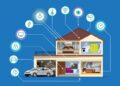
- Smart Home Integration: These systems can be integrated with other smart home devices for seamless control and automation.
- Customizable Alerts: Users can receive alerts on their smartphones for any unusual activity detected by the system.
- Remote Access: With the Vivint app, homeowners can monitor their home security system from anywhere in the world.
How Vivint Systems Work
Vivint systems utilize a combination of sensors, cameras, and smart technology to keep homes secure. When a sensor is triggered, the system sends an alert to the monitoring center, which can then take appropriate action. The cameras provide real-time footage of any activity in and around the home, allowing homeowners to assess the situation remotely.
Components of a Vivint System
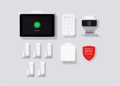
- Door and Window Sensors: These sensors detect any unauthorized entry into the home.
- Motion Sensors: These sensors can detect motion within the home and trigger an alert.
- Security Cameras: Vivint systems come with HD cameras that provide clear footage of the home's interior and exterior.
- Smart Control Panel: The control panel allows users to arm/disarm the system and receive alerts.
Vulnerabilities of Vivint Systems

Vivint smart security systems, like any other technology, are susceptible to vulnerabilities that can be exploited by intruders. Understanding these weaknesses is crucial for ensuring the security of your home.
Remote Access Risks
One common vulnerability in Vivint systems is the risk associated with remote access. If not properly secured, intruders may exploit this feature to gain unauthorized access to your system, allowing them to control your security devices.
Unencrypted Communication
Another security risk is the use of unencrypted communication channels in Vivint systems. This can make it easier for hackers to intercept data transmitted between devices, compromising the privacy and security of your home.
Outdated Software
Using outdated software in your Vivint system can also pose a security risk. Hackers can exploit known vulnerabilities in older software versions to bypass security measures and gain access to your system.
Enhancing Security Measures
When it comes to deterring potential threats to Vivint systems, it's crucial to implement a multi-layered security approach. By integrating additional security measures and optimizing Vivint systems for maximum security, you can significantly enhance the protection of your home or business.
Multi-factor Authentication
- Enable multi-factor authentication for access to your Vivint system, requiring users to provide two or more verification factors to authenticate their identity.
- By adding an extra layer of security, such as a code sent to your phone or fingerprint recognition, you can prevent unauthorized access even if login credentials are compromised.
Regular Software Updates
- Ensure that your Vivint system is always up to date with the latest software updates and security patches to fix vulnerabilities and protect against potential cyber threats.
- Regularly check for firmware updates for all devices connected to your Vivint system, including cameras, sensors, and smart locks.
Network Segmentation
- Segment your home network to isolate your Vivint system from other devices, creating separate subnetworks for smart devices and personal devices to prevent unauthorized access.
- Implement firewall rules and access controls to restrict communication between different parts of your network and enhance overall security.
Physical Security Measures
- Secure physical access to your Vivint system by placing cameras and sensors in strategic locations to monitor entry points and detect any unusual activity.
- Install additional security devices, such as smart door locks and motion-activated lights, to further protect your home or business from potential intruders.
Smart Security Planning
Creating a comprehensive security plan with Vivint systems is crucial to safeguarding your home or business. Regular maintenance and updates are essential to ensure the system's effectiveness. Leveraging smart features can further enhance security measures.
Tips for Creating a Comprehensive Security Plan
- Conduct a thorough assessment of your property to identify vulnerable areas.
- Install security cameras in strategic locations for maximum coverage.
- Utilize motion sensors and door/window sensors to detect any unauthorized entry.
- Consider integrating smart locks for added convenience and security.
Importance of Regular Maintenance and Updates
Regular maintenance helps ensure that your Vivint system is functioning optimally and that any issues are promptly addressed. Updates are vital to patching security vulnerabilities and keeping up with the latest technology advancements.
Recommendations for Leveraging Smart Features
- Set up customized alerts to notify you of any suspicious activity in real-time.
- Integrate smart lighting to create the illusion of occupancy when you're away.
- Use geofencing to automatically arm/disarm your system based on your location.
- Explore remote access capabilities to monitor your security system from anywhere.
Final Wrap-Up
In conclusion, mastering smart security planning to deter Vivint systems is a crucial step in safeguarding your home. By implementing the right measures and staying vigilant, you can enhance your overall security and peace of mind.
Essential FAQs
How can I optimize my Vivint system for maximum security?
To optimize your Vivint system, ensure all components are in working order, set up customized alerts, and regularly update passwords and security settings.
What are some common vulnerabilities in Vivint systems?
Common vulnerabilities include unsecured Wi-Fi networks, outdated software, and default passwords. It's crucial to address these to enhance security.
How important is regular maintenance for Vivint systems?
Regular maintenance is essential to keep your Vivint system functioning optimally. Check for software updates, test sensors regularly, and address any issues promptly.