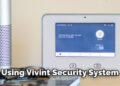

Embark on your journey with SimpliSafe Home Automation Setup Guide, where we delve into the intricacies of setting up your smart home system. From understanding the concept of SimpliSafe home automation to configuring system settings, this guide covers it all.
Get ready to transform your living space into a modern oasis of convenience and security with SimpliSafe.
Overview of SimpliSafe Home Automation Setup
SimpliSafe home automation offers a convenient way to control and monitor your home's security and smart devices remotely. With this system, users can expect a seamless setup process that allows them to connect and customize various devices to fit their needs.
Key Components of a SimpliSafe Home Automation Kit
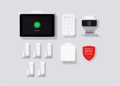
- Base Station: The central hub that connects all the devices and communicates with the monitoring center.
- Entry Sensors: These sensors can be placed on doors and windows to detect any unauthorized entry.
- Motion Sensors: Detects motion within a room and triggers an alert.
- Key Fob: Allows users to arm and disarm the system easily.
- Security Cameras: Provide visual monitoring of your home.
- Smart Locks: Allows users to remotely lock and unlock doors.
- Smart Thermostats: Control the temperature of your home remotely.
Setting Up SimpliSafe Base Station
When setting up your SimpliSafe home automation system, the base station is a crucial component that serves as the central hub for all your devices. Follow these steps to ensure a successful setup.
Optimal Location for Base Station
It is recommended to place the base station in a central location within your home to ensure optimal communication with all connected devices. Avoid placing it near large metal objects or appliances that may interfere with the signal.
Connecting Base Station to Power and Internet
- Plug the power adapter into an outlet near the base station.
- Connect the power adapter to the base station.
- Use an Ethernet cable to connect the base station to your router for internet connection.
- Follow the on-screen instructions to complete the setup process.
Installing SimpliSafe Sensors and Devices
When setting up your SimpliSafe home automation system, it is crucial to properly install the sensors and devices to ensure maximum effectiveness in securing your home. Below are the different types of sensors and devices that come with SimpliSafe, along with guidance on where to place them and how to pair them with the base station.
Types of Sensors and Devices
- Entry Sensors: These are placed on doors and windows to detect any unauthorized entry into your home.
- Motion Sensors: These detect motion in a room and can trigger an alarm if movement is detected when the system is armed.
- Smoke Detectors: These sensors detect smoke and fire, providing an early warning in case of a fire emergency.
- Water Sensors: Placed near water sources like sinks or appliances, these sensors alert you to any water leaks or flooding.
Placing Sensors for Maximum Effectiveness
- Entry Sensors should be placed on all entry points to your home, including doors and windows on the ground floor.
- Motion Sensors should be placed in areas where an intruder would likely pass through, such as hallways or living rooms.
- Smoke Detectors should be installed in key areas like the kitchen and bedrooms to provide early detection of fire hazards.
- Water Sensors should be placed near water heaters, sinks, and other water sources to detect leaks promptly.
Pairing Sensors with the Base Station
Before pairing sensors with the base station, make sure the base station is in pairing mode by following the instructions provided in the setup guide.
To pair a sensor with the base station:
- Open the SimpliSafe app or use the keypad to access the system settings.
- Select the option to add a new device or sensor.
- Follow the on-screen prompts to activate the sensor and pair it with the base station.
- Test the sensor to ensure it is working correctly and receiving signals from the base station.
Configuring SimpliSafe System Settings
When it comes to setting up your SimpliSafe system, configuring the system settings is a crucial step to personalize and optimize your home automation experience. From adjusting preferences to setting up alerts and notifications, here's how you can navigate and customize your SimpliSafe system settings.
Accessing System Settings
To access the system settings on your SimpliSafe app or web portal, follow these steps:
- Open the SimpliSafe app or log in to your account on the web portal.
- Click on the settings icon or navigate to the settings tab.
- You will now have access to various customization options to tailor your SimpliSafe system according to your preferences.
Customization Options
When configuring your SimpliSafe system settings, you can customize the following aspects:
- Adjusting sensor sensitivity levels for motion detection.
- Setting up entry and exit delays for arming and disarming your system.
- Enabling or disabling specific sensors or devices as needed.
- Creating custom modes for different scenarios, such as "Home," "Away," or "Night" mode.
Setting Up Alerts and Notifications
To receive alerts and notifications from your SimpliSafe system, you can:
- Enable push notifications on your mobile device for real-time updates on system activity.
- Set up email alerts for specific events, such as a sensor being triggered or low battery notifications.
- Customize the frequency and type of alerts you wish to receive to stay informed about your home's security status.
Integrating SimpliSafe with Other Smart Home Devices
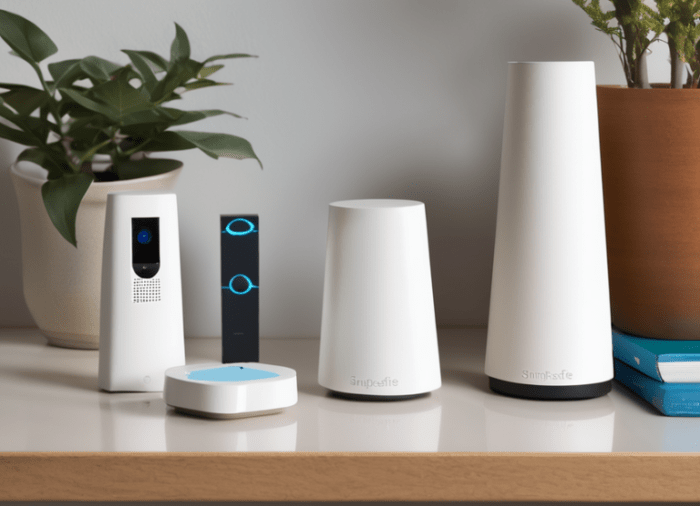
Integrating SimpliSafe with other smart home devices can enhance the overall functionality and convenience of your home automation system. By connecting SimpliSafe with compatible devices, you can create a seamless and interconnected smart home ecosystem that offers added security and control.
Compatible Smart Home Devices
- SimpliSafe integrates with popular smart home platforms such as Amazon Alexa, Google Assistant, and Apple HomeKit.
- You can connect SimpliSafe with smart lights, thermostats, door locks, and cameras that are compatible with these platforms.
- Compatible devices allow you to control and monitor your home security system using voice commands or through a single app interface.
Integrating with Popular Smart Home Platforms
- Amazon Alexa:To integrate SimpliSafe with Amazon Alexa, enable the SimpliSafe skill in the Alexa app and link your SimpliSafe account. You can then use voice commands to arm/disarm your system and check the status of your sensors.
- Google Assistant:Connect SimpliSafe with Google Assistant by linking your SimpliSafe account in the Google Home app. You can control your security system using voice commands through Google Assistant-enabled devices.
- Apple HomeKit:For Apple HomeKit integration, use the Home app to add SimpliSafe as a compatible accessory. This allows you to manage your security system alongside other HomeKit devices on your iOS device.
Benefits of Integration
- Enhanced convenience: Integrating SimpliSafe with other smart home devices allows for centralized control and monitoring of your home security system.
- Automation and customization: You can create automated routines and personalized settings by linking SimpliSafe with other smart devices, enhancing the overall efficiency of your smart home.
- Increased security: By connecting SimpliSafe with compatible cameras and sensors, you can receive real-time alerts and footage, improving the security of your home.
Conclusive Thoughts
In conclusion, SimpliSafe Home Automation Setup Guide equips you with the knowledge and tools to create a seamless smart home experience. Take charge of your home security and automation with confidence and ease.
FAQ Guide
Where can I find additional support if I encounter issues during setup?
You can reach out to SimpliSafe customer support for assistance with any setup issues.
Can I add more sensors to my SimpliSafe system in the future?
Yes, SimpliSafe allows for easy expansion by adding more sensors as needed.
Is it possible to integrate SimpliSafe with voice assistants like Alexa or Google Assistant?
Absolutely, SimpliSafe offers integration with popular voice assistants for added convenience.