
Delve into the realm of business energy management with Smart Meter for Business: Energy Insights for Companies. Uncover the power of real-time data and cost-saving strategies that smart meters offer to companies of all sizes.
Introduction to Smart Meters for Businesses
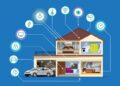
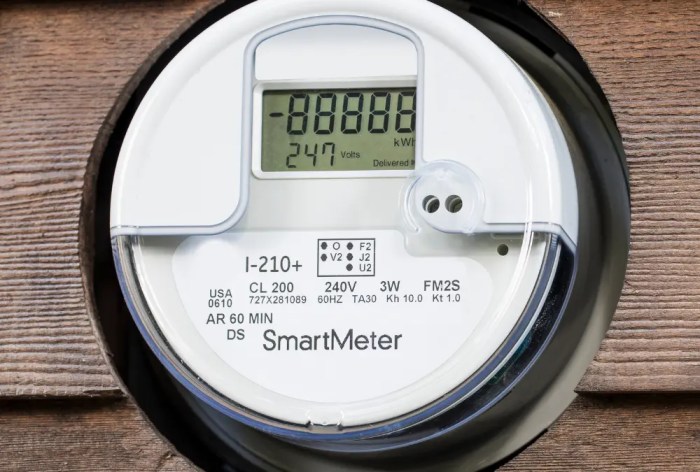
Smart meters are advanced devices that provide businesses with real-time insights into their energy consumption. These meters are designed to replace traditional energy meters and offer a range of benefits for companies looking to manage their energy usage more efficiently.
Benefits of Smart Meters for Businesses
- Cost Savings: Smart meters allow businesses to track their energy usage more accurately, helping them identify areas where energy is being wasted and implement strategies to reduce costs.
- Improved Efficiency: By providing real-time data on energy consumption, smart meters enable businesses to make informed decisions about when and how they use energy, leading to increased efficiency in operations.
- Sustainability: Smart meters support businesses in monitoring their carbon footprint and implementing eco-friendly practices to reduce their environmental impact.
- Remote Monitoring: With smart meters, businesses can remotely monitor their energy usage, enabling them to detect issues or anomalies in consumption patterns quickly.
How Smart Meters Work
Smart meters are advanced devices that measure and record the consumption of electricity, gas, or water in real-time. Unlike traditional meters, smart meters provide detailed insights into energy usage patterns and enable businesses to optimize their energy consumption effectively.
Technology Behind Smart Meters
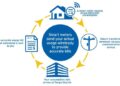
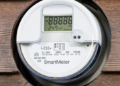
Smart meters utilize advanced technology such as digital displays, communication modules, and sensors to accurately measure and transmit energy consumption data. These meters are equipped with two-way communication capabilities, allowing them to send data to both the consumer and the energy provider in near real-time.
Data Collection Process
The data collected by smart meters includes information on energy consumption, peak usage times, and potential energy wastage. This data is crucial for businesses as it helps them identify opportunities to reduce energy costs, improve efficiency, and make informed decisions regarding energy usage.
Communication Protocols
Smart meters use various communication protocols such as Zigbee, Wi-Fi, or cellular networks to transmit data securely to energy providers. These protocols ensure that the data is transmitted efficiently and accurately, enabling businesses to access up-to-date information on their energy consumption for better decision-making.
Implementing Smart Meters in Business Settings
Implementing smart meters in business settings involves several steps to ensure a smooth transition to energy monitoring. Businesses that have successfully integrated smart meters into their energy management strategies have seen significant benefits in terms of cost savings and efficiency.
However, there are also potential challenges and considerations that businesses need to address when transitioning to smart meters for energy monitoring.
Installation Process for Smart Meters
- Assessment: Begin by assessing the energy needs and requirements of your business to determine the appropriate type and number of smart meters needed.
- Planning: Develop a detailed plan for the installation process, including timelines, budget, and resources required.
- Installation: Work with a qualified technician or service provider to install the smart meters according to the plan and specifications.
- Testing and Calibration: Ensure that the smart meters are accurately calibrated and functioning properly before integrating them into your energy monitoring system.
- Training: Provide training to staff members on how to use and interpret data from the smart meters for effective energy management.
Examples of Successful Integration
- A manufacturing company implemented smart meters to track energy usage in real-time, allowing them to identify areas of inefficiency and optimize operations.
- A retail chain used smart meters to monitor energy consumption across multiple locations, resulting in significant cost savings and improved sustainability efforts.
Potential Challenges and Considerations
- Initial Costs: The upfront investment in smart meters and installation may be a barrier for some businesses, although the long-term benefits often outweigh the initial expenses.
- Data Security: Businesses need to ensure that data collected from smart meters is secure and protected from cyber threats or breaches.
- Integration with Existing Systems: Compatibility with existing energy management systems or software may require additional adjustments or upgrades to ensure seamless integration.
Leveraging Energy Insights for Companies
Businesses can harness the power of smart meter data to gain valuable energy insights that can drive informed decision-making.
These insights are crucial for optimizing operational efficiency, identifying areas for improvement, and ultimately reducing environmental impact by promoting sustainable energy practices.
Importance of Energy Insights
- By analyzing smart meter data, companies can pinpoint energy usage patterns, identify inefficiencies, and implement targeted solutions to reduce costs.
- Real-time monitoring provided by smart meters enables businesses to react promptly to fluctuations in energy consumption, leading to enhanced energy management.
- Energy insights derived from smart meters also help businesses set achievable sustainability goals and track progress towards reducing their carbon footprint.
Case Studies of Companies Benefitting from Energy Insights
Company A reduced its energy costs by 15% after analyzing smart meter data to optimize its HVAC system usage during peak hours.
Company B identified energy waste in its production line through smart meter analytics, leading to a 20% decrease in overall energy consumption.
Company C utilized energy insights to shift to renewable energy sources, resulting in a 30% reduction in greenhouse gas emissions.
Concluding Remarks
As we wrap up our discussion on Smart Meter for Business: Energy Insights for Companies, remember that harnessing energy data can transform the way businesses operate. Stay informed, stay efficient, and stay ahead in the competitive landscape.
FAQ Compilation
How do smart meters benefit businesses?
Smart meters provide real-time insights into energy consumption, leading to cost savings and improved efficiency.
What challenges can businesses face when implementing smart meters?
Businesses may encounter challenges during the transition, such as installation complexities and adjusting to new monitoring processes.
How can companies leverage energy insights from smart meters?
Companies can analyze data to optimize operational efficiency, reduce environmental impact, and make informed decisions based on actionable insights.