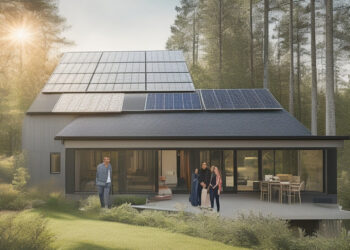

Embark on a journey into the world of off-grid living with Solar Panels Without Smart Meter for Off-Grid Homes. Discover the innovative ways in which solar panels are transforming the way we power our homes off the grid.
Learn about the challenges of using smart meters in off-grid setups and how solar panels offer a reliable and sustainable alternative.
Introduction to Off-Grid Solar Panels without Smart Meters
Off-grid homes are independent of the traditional electrical grid, relying on self-generated power for their energy needs. This self-sufficiency allows homeowners to be more environmentally friendly and reduce their reliance on external resources.
Solar panels play a crucial role in off-grid living by harnessing the power of the sun to generate electricity. This renewable energy source is clean, sustainable, and cost-effective, making it an ideal choice for off-grid homeowners looking to minimize their carbon footprint.
Challenges of Using Smart Meters in Off-Grid Setups
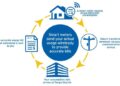
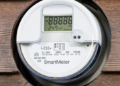
Smart meters, which are commonly used in grid-connected homes to monitor electricity consumption in real-time, present challenges in off-grid setups. Since off-grid homes generate their own power, smart meters may not accurately measure energy usage and could lead to billing discrepancies.
Benefits of Using Solar Panels in Off-Grid Homes
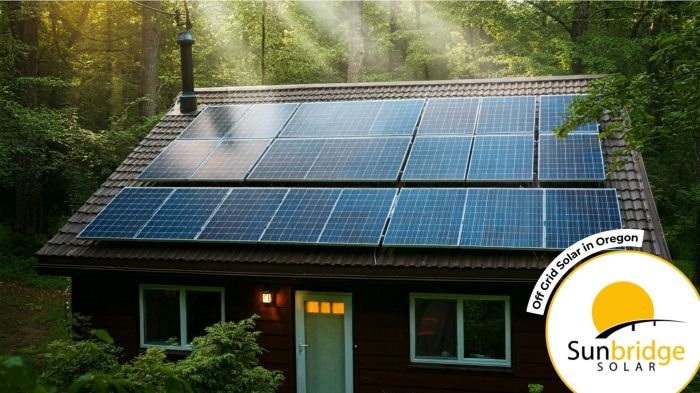
Solar panels offer numerous advantages for off-grid living, providing independence and sustainability to homeowners. Let's explore the benefits of utilizing solar energy in off-grid homes.
Cost-Effectiveness of Solar Panels vs. Traditional Power Sources
- Reduced Energy Bills: Solar panels allow off-grid homeowners to generate their electricity, eliminating the need to rely on expensive utility companies.
- Long-Term Savings: While the initial investment in solar panels may be high, the long-term savings on energy bills make it a cost-effective choice for off-grid living.
- Minimal Maintenance Costs: Solar panels require minimal maintenance, resulting in lower upkeep expenses compared to traditional power sources.
Examples of Successful Off-Grid Homes Powered by Solar Energy
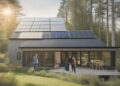
- Earthship Taos, New Mexico: This off-grid home relies entirely on solar power for electricity, heating, and cooling, showcasing the feasibility of sustainable living.
- The WE House, California: A net-zero energy home powered by solar panels, demonstrating how off-grid living can be comfortable and environmentally friendly.
- The Off-Grid itHouse, California: This modern off-grid home runs on solar power and emphasizes energy efficiency and self-sufficiency in a minimalist design.
Designing an Off-Grid Solar Panel System without Smart Meters
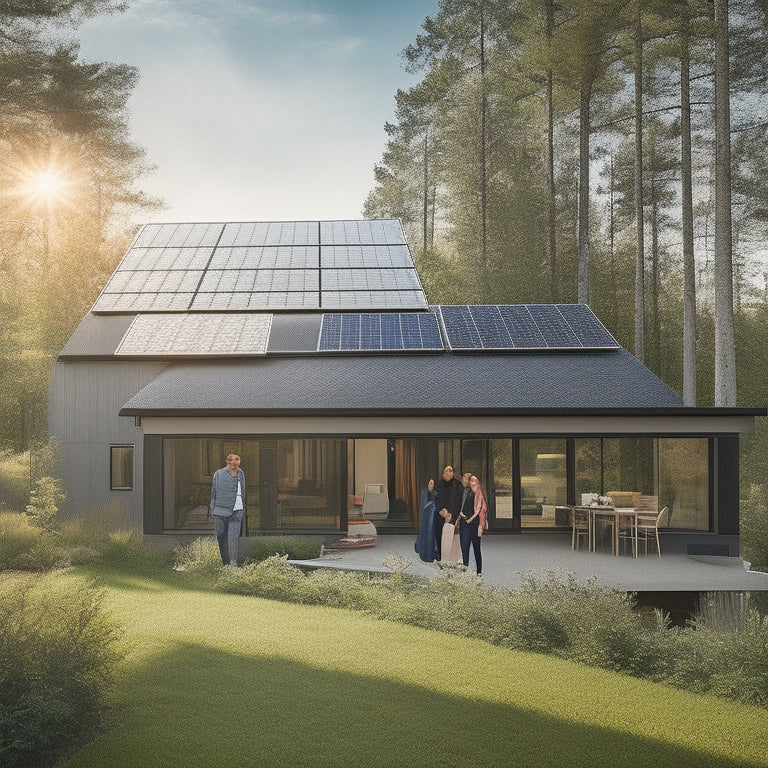
When setting up an off-grid solar panel system for your home without smart meters, it is crucial to plan and design the system carefully to ensure it meets your energy needs efficiently. Here is a step-by-step guide to help you in designing your off-grid solar setup.
Components Required for a Fully Functional Off-Grid Solar Setup
To design a fully functional off-grid solar system, you will need the following components:
- Solar Panels: These panels will capture sunlight and convert it into electricity.
- Charge Controller: This component regulates the flow of electricity from the solar panels to the battery bank.
- Battery Bank: Stores the electricity generated by the solar panels for later use when there is no sunlight.
- Inverter: Converts the stored DC electricity in the battery bank into AC electricity for household appliances.
- Wiring and Mounting Hardware: Essential for connecting all components and securely installing the solar panels.
It is important to invest in high-quality components to ensure the longevity and efficiency of your off-grid solar system
.
Calculating the Energy Needs of an Off-Grid Household
Before designing your off-grid solar panel system, you must calculate the energy needs of your household. This involves determining the total wattage of all appliances and devices you plan to power with solar energy.
- Start by making a list of all appliances, their wattages, and the average daily usage hours.
- Calculate the total daily energy consumption by multiplying the wattage of each appliance by the number of hours it is used per day.
- Add up the total energy consumption to determine the daily energy needs of your household.
By following these steps and carefully considering your energy requirements, you can design an efficient off-grid solar panel system tailored to meet the specific needs of your home without the use of smart meters.
Maintenance and Efficiency Tips for Off-Grid Solar Panels
When it comes to off-grid solar panels, proper maintenance is essential to ensure optimal efficiency and performance. Here are some tips to help you maintain your off-grid solar panel system and maximize its efficiency without the use of smart meters.
Maintenance Requirements of Solar Panels in Off-Grid Settings
- Regularly clean the solar panels to remove dirt, dust, and debris that can block sunlight and reduce efficiency.
- Inspect the panels for any signs of damage, such as cracks or corrosion, and repair or replace them as needed.
- Check the connections and wiring to ensure they are secure and functioning properly.
- Monitor the battery levels and replace them when necessary to maintain optimal performance.
Maximizing the Efficiency of Solar Panels without Smart Meters
- Position the solar panels to receive maximum sunlight exposure throughout the day.
- Use energy-efficient appliances and devices to reduce the overall energy consumption of your off-grid home.
- Implement energy-saving practices, such as turning off lights and unplugging electronics when not in use.
- Invest in high-quality solar panels and equipment to ensure long-term efficiency and performance.
Troubleshooting Common Issues with Off-Grid Solar Systems
- If your solar panels are not producing enough power, check for shading from nearby trees or buildings and adjust the positioning accordingly.
- If the batteries are not storing enough energy, inspect them for damage or wear and consider replacing them with new ones.
- If you notice a decrease in performance, consult with a professional to diagnose and resolve any technical issues with your off-grid solar system.
- Keep track of energy production and consumption to identify any irregularities or inefficiencies in your solar panel system.
Wrap-Up
In closing, Solar Panels Without Smart Meter for Off-Grid Homes showcases the benefits of harnessing solar energy for a self-sufficient lifestyle. Explore the possibilities and embrace a greener future with this eco-friendly solution.
FAQ
What are the main advantages of using solar panels in off-grid homes?
Solar panels provide a sustainable and reliable source of energy, reduce utility costs, and offer independence from the grid.
How can one calculate the energy needs of an off-grid household?
To calculate energy needs, determine the wattage of each appliance, estimate daily usage, and consider battery storage capacity.
What are some maintenance tips for off-grid solar panels?
Regularly clean panels, check for damage, and ensure proper wiring connections to maintain efficiency.
How can one troubleshoot common issues with off-grid solar systems?
Check for loose connections, monitor battery health, and consult with a professional for complex problems.